How Much Does a Septic System Cost in West Michigan?
Septic system costs depend on the soil, system design, property conditions and whether you're installing a new system or replacing an existing one. This guide explains the major cost factors and realistic planning ranges.
What Does a Septic System Cost?
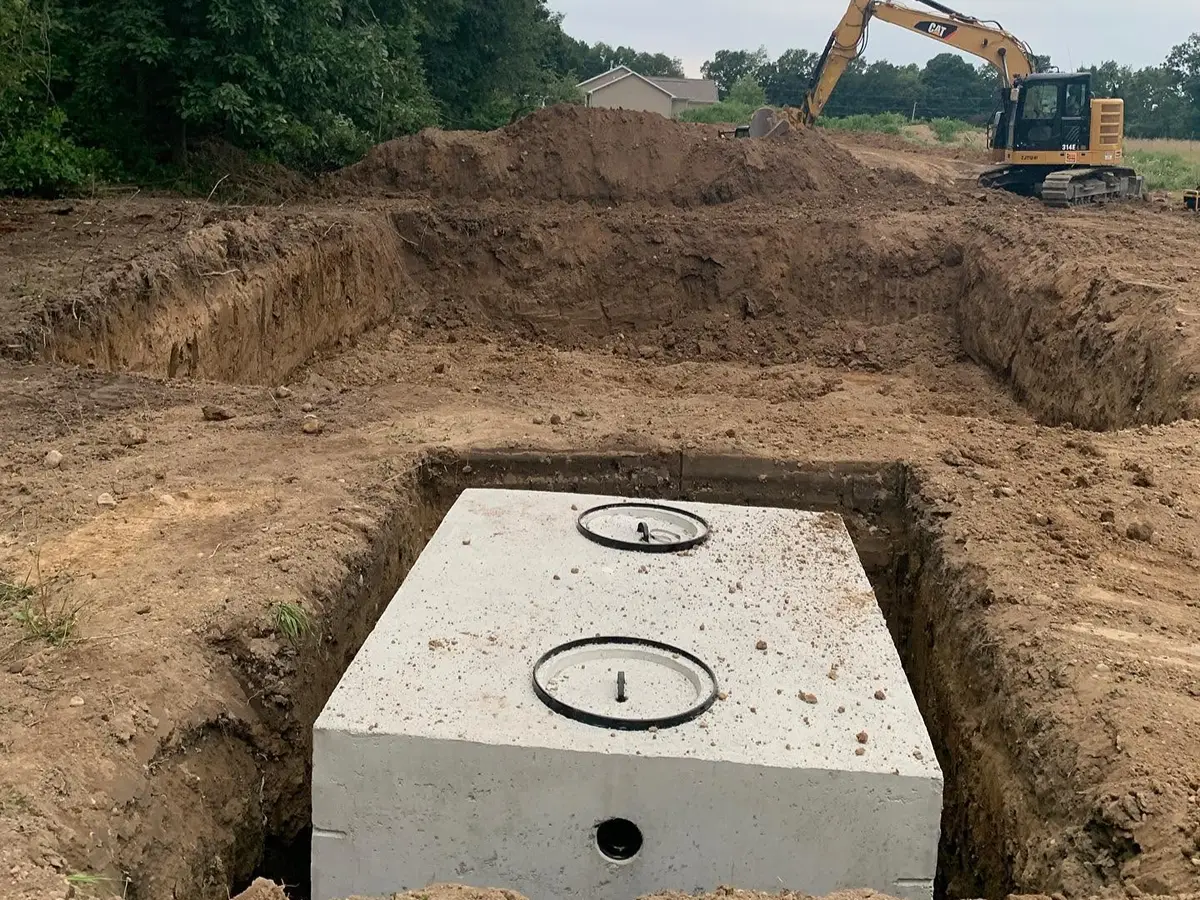
A conventional septic system on suitable soil can cost considerably less than a system requiring pressure distribution, a mound or other site-specific design.
For planning purposes, many residential septic projects fall somewhere between approximately $7,000 and $25,000+, but that range is intentionally broad. Some straightforward projects can fall below it, while difficult sites and specialized systems can exceed it.
The soil, seasonal water table, system size, approved design, excavation requirements, site access and whether an existing system must be removed or worked around all affect the final cost.
What Might Your Septic Project Cost?
These examples provide general planning ranges for common residential septic projects in Michigan. They are not fixed prices or quotes. The system approved for your property and actual site conditions determine what must be installed.
New Conventional Septic System
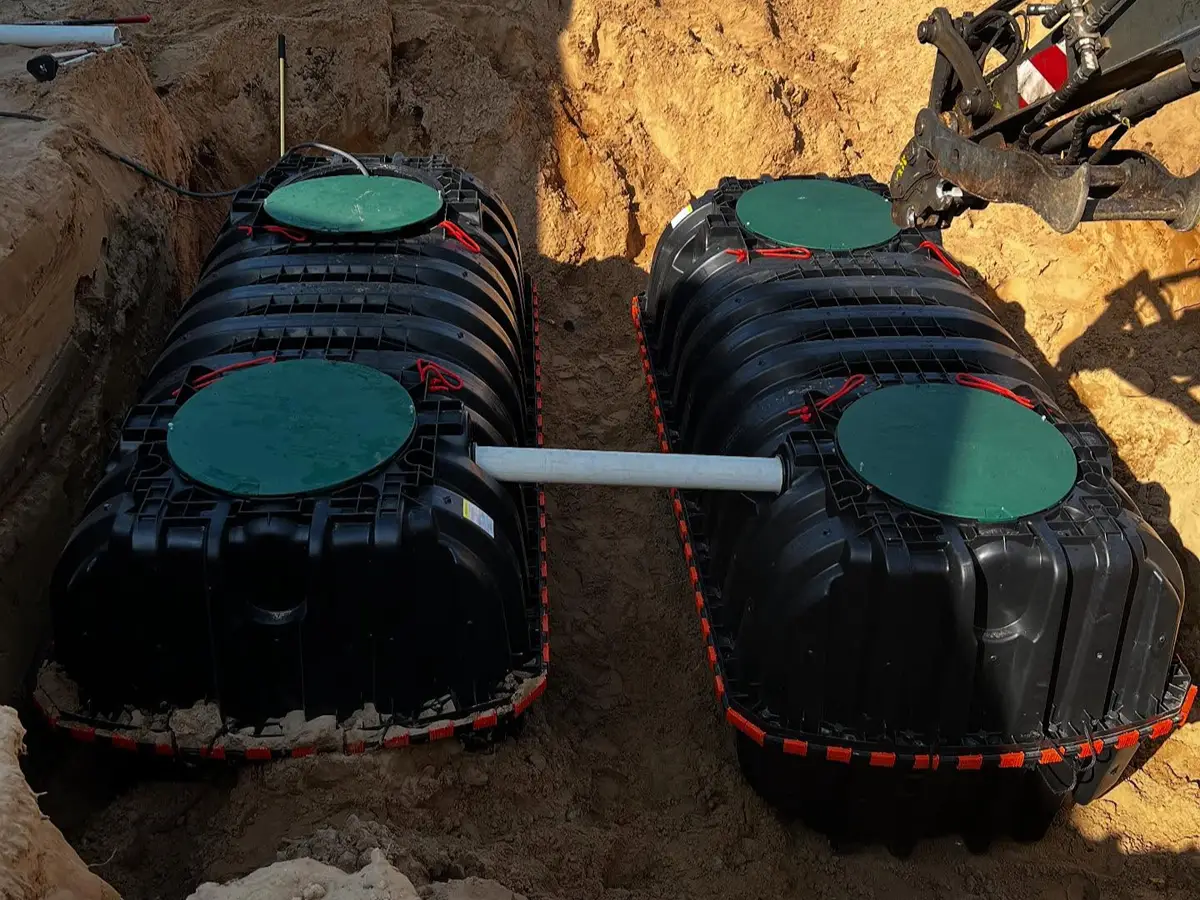
A new residential system on a property with suitable soil, adequate space and relatively straightforward equipment access. The approved design may use a conventional septic tank and gravity drain field.
Larger homes, longer runs, difficult access, additional excavation or site preparation can increase the total cost.
Existing Septic System Replacement
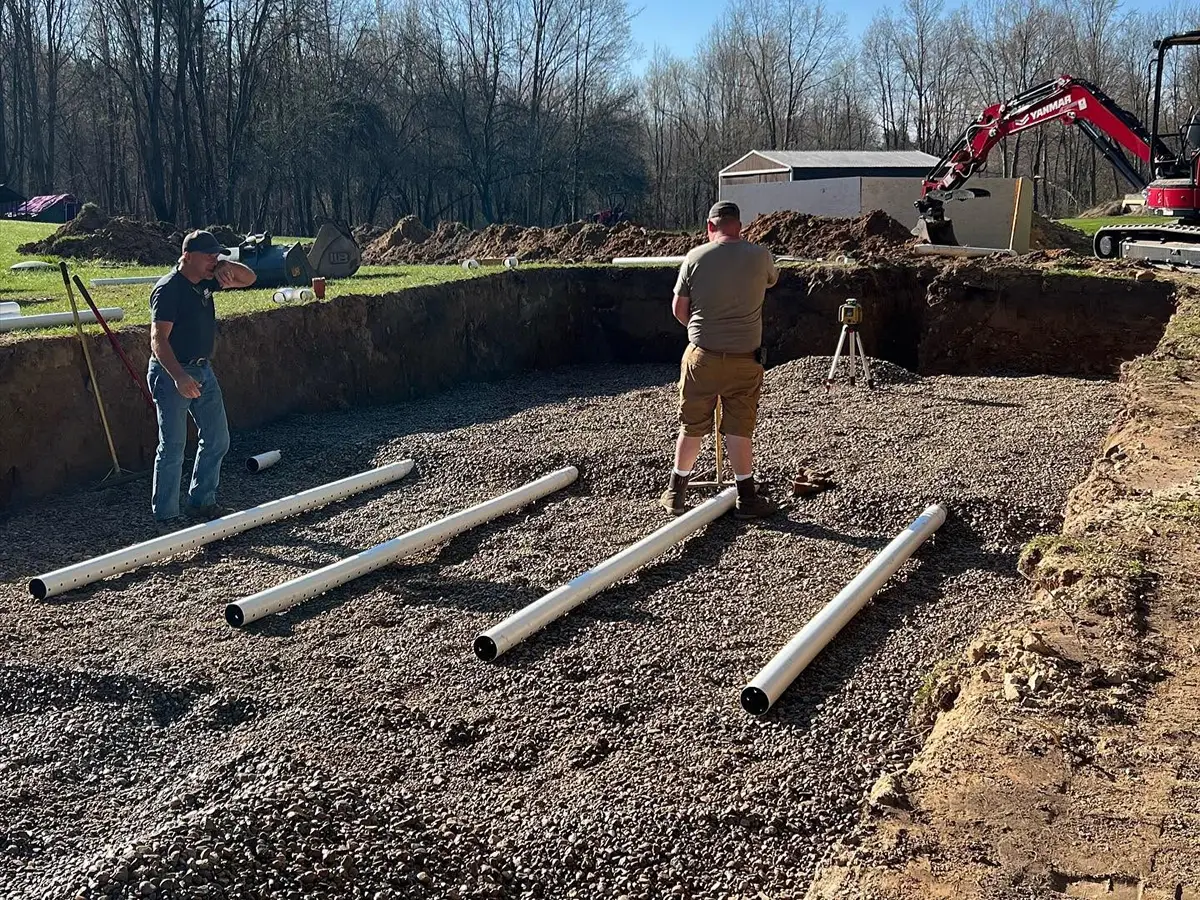
Replacing an existing system can involve more than installing new components. The condition and location of the existing tank and drain field, available replacement area and the requirements for the new approved system all affect the work.
In some cases only part of the system may need replacement. In others, a new tank, drain field or complete system may be required.
Engineered or Challenging Site
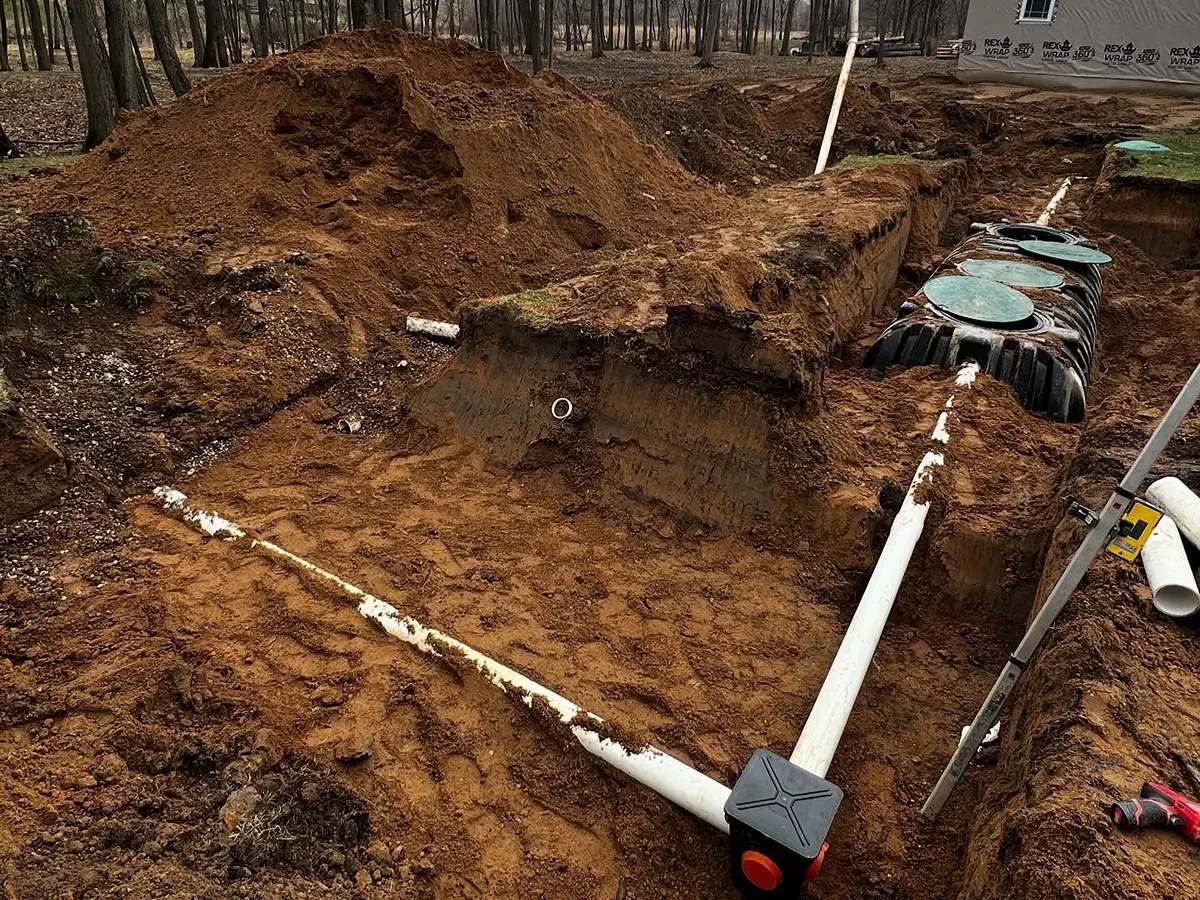
Some properties cannot support a straightforward conventional system. Soil conditions, groundwater, limited suitable area or other site constraints may require pressure distribution, a mound or another approved system design.
These systems can require additional material, pumps, controls, excavation and installation work, which can substantially increase the project cost.
Two similar homes can require very different septic systems because of soil and property conditions. R&H prices the installation based on the approved system and the work required on the actual property.
Pricing examples are provided for general project planning only and are not quotes or guaranteed price ranges. Soil conditions, system design, permits, excavation, materials, access and other site conditions can result in costs below or above the examples shown.
6 Factors That Affect Septic System Cost
The tank is only one part of a septic installation. The property itself plays a major role in determining the system that can be installed and the work involved.
Soil Conditions
Soil conditions affect how wastewater can be dispersed into the ground and are one of the most important factors in determining the type of system suitable for a property.
System Type
A conventional gravity system is different from a pressure-distribution, mound or other specialized system. More complex designs generally require additional components and installation work.
System Size
The required capacity and drain-field area affect the amount of material, excavation and installation work involved in the project.
Property Layout
The house, well, driveway, property lines, slopes and other site features all affect where the septic system can be located and how easily it can be installed.
Excavation & Access
Open sites with good equipment access are generally easier to work on than wooded, confined, wet or steep properties requiring additional site preparation.
Existing System
Replacement projects may require working around, evaluating or properly addressing existing tanks, drain fields, landscaping and other improvements.
Installing Septic for a New Home
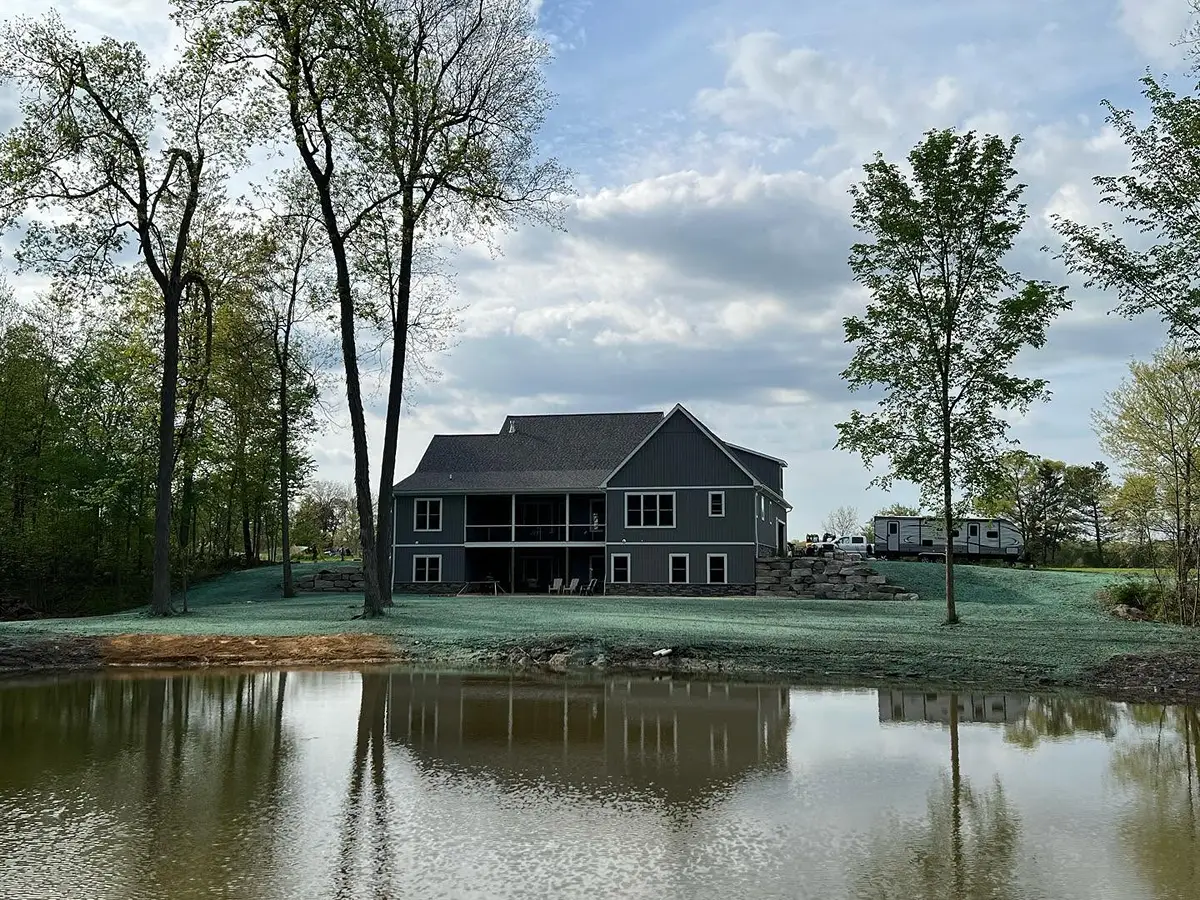
If you're building on property without municipal sewer service, septic planning should happen early in the site-development process.
The approved septic area affects how the property can be laid out and may influence the location of the house, driveway and other improvements.
R&H can also handle other stages of residential site work, allowing the septic installation to be considered alongside lot clearing, excavation, driveway construction, drainage and grading.
Does the Entire Septic System Need to Be Replaced?
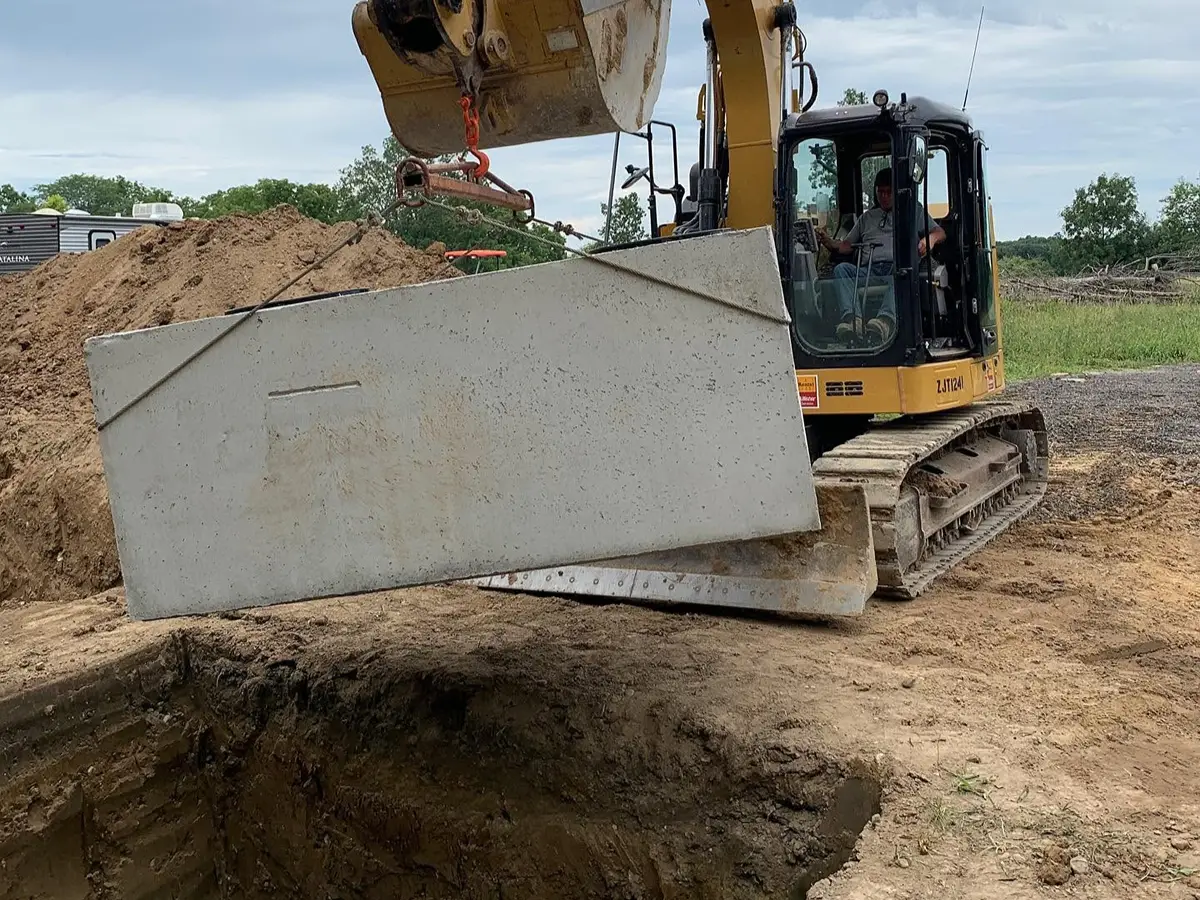
Not every septic problem automatically means every component must be replaced. The tank, piping and drain field are different parts of the system and need to be evaluated based on their actual condition.
A failed drain field may result in a different project than a damaged tank or a complete system that no longer meets the property's needs.
Replacement projects also need sufficient suitable area for the approved replacement system. Existing buildings, wells, driveways, landscaping and property boundaries can all affect the available options.
Why Soil Conditions Matter So Much
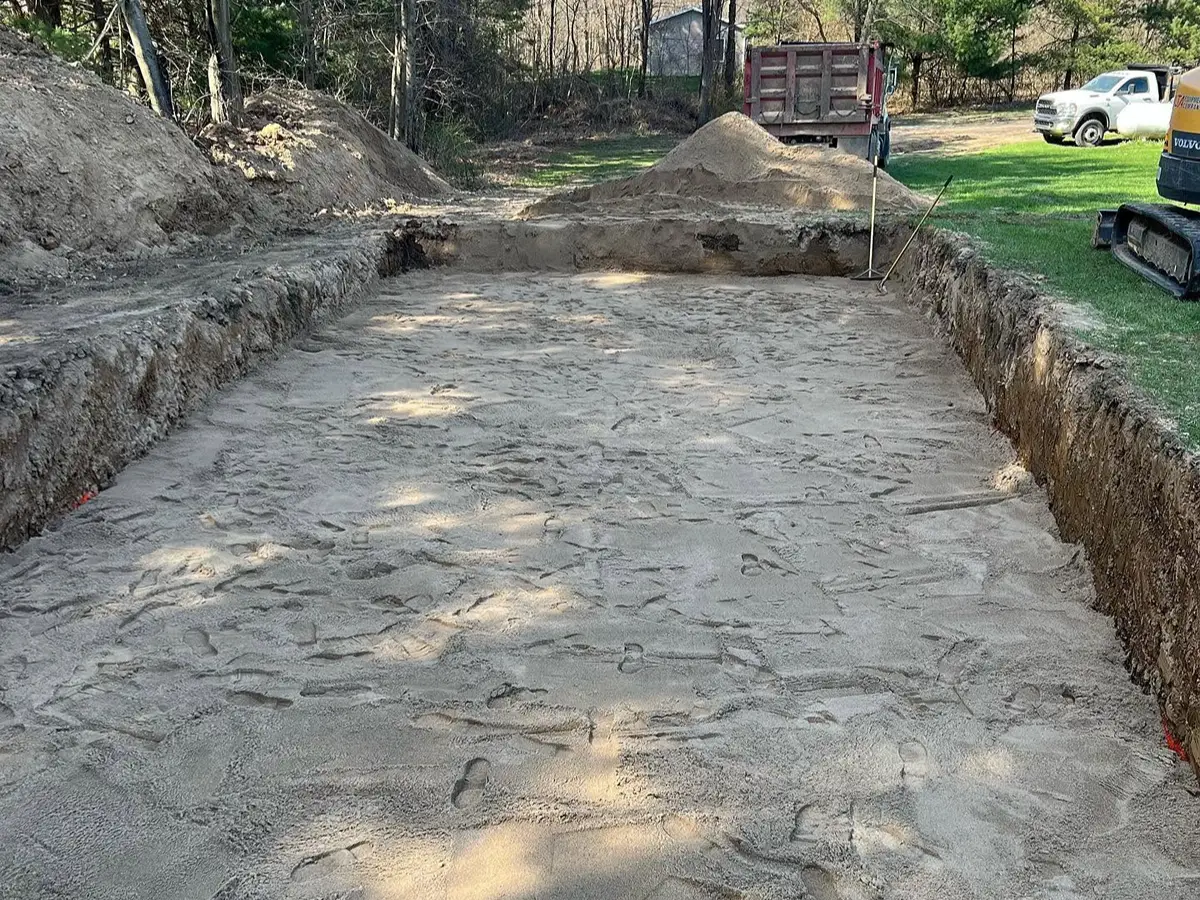
A septic system relies on the surrounding soil to properly treat and disperse wastewater. That makes the soil beneath the property a major part of the system design.
Soil characteristics, seasonal groundwater and other site limitations can determine whether a conventional system is suitable or whether a different design is required.
This is why an online septic price can only provide a rough planning number. The actual property and approved design determine what needs to be built.
What Goes Into a Septic Installation?
A complete septic project involves several stages, and the exact work depends on the system approved for the property.
- Review of the approved septic plan
- Preparing access for equipment and materials
- Excavation for tanks and system components
- Septic tank placement
- Distribution or pump components where required
- Drain-field preparation and installation
- Required piping and connections
- Backfilling and rough site restoration
A lower estimate isn't necessarily for the same scope of work. System components, excavation, imported materials, hauling, electrical work, permits and final site restoration may not be handled the same way in every proposal.
Septic Is Only One Part of Preparing the Property
Planning the major stages of site work together can make it easier to coordinate equipment, access and the finished layout of the property.
Lot Clearing
Open the building area and create the access needed for the house, septic system, driveway and construction equipment.
Site Excavation
Prepare the building site and complete the excavation required for the next stages of construction.
Septic Installation
Install the approved septic system while coordinating its location with the rest of the property plan.
Driveway & Access
Establish access for construction and create the driveway serving the finished home.
Drainage
Plan how water will move around the house, driveway and other improvements as the property is developed.
Final Grading
Shape and finish the property as construction moves toward completion and the site is prepared for its finished use.
What R&H Needs to Price Your Septic Installation
Septic pricing becomes much more meaningful once the property, system requirements and overall scope of work are understood.
- Property location
- New installation or replacement
- Approved septic permit or system plan, if available
- New home plans, if applicable
- Existing septic information for replacements
- Property access and terrain
- Known soil or groundwater conditions
- Other site work R&H may be handling
Tell R&H about the complete project, not just the septic system. If you also need lot clearing, excavation, driveway construction, drainage or grading, those stages can be considered as part of the overall site-work plan.
Septic Systems Require Local Approval
Residential onsite septic systems in Michigan are reviewed through the applicable local health department. The property and soil conditions are evaluated to determine site suitability and the type of system that can be approved.
Requirements can vary by location and by the conditions of the individual property. If you're planning a new home or replacing an existing system, it is important to determine the applicable requirements before construction begins.
Septic System Cost FAQs
How much does a new septic system cost in West Michigan?
How much does it cost to replace an existing septic system?
Can just the drain field be replaced?
Why do engineered septic systems cost more?
Does soil affect the cost of a septic system?
Do I need a permit for a new septic system?
Can R&H install the septic system for my new home?
When should I start planning septic for a new home?
How do I get an accurate septic installation estimate?
Get an Estimate for Your Septic Installation
Tell us about the property and whether you're building a new home or replacing an existing septic system. R&H Tractor Services provides septic installation and residential site work throughout Hastings and surrounding West Michigan communities.