
Gravel Driveway Installation Built on a Solid Foundation.
A great gravel driveway starts long before the first load of stone arrives. R&H Tractor Services builds new driveways with careful site preparation, a stable aggregate base, proper grading and drainage that works with your property.
Request an Estimate
Tell us where you're building, the approximate driveway length and what the property looks like today.
Your New Driveway Needs to Work in Every Season.
Whether you're building a home on rural acreage, creating access to a pole barn or replacing a dirt two-track with a usable driveway, the quality of the work below the surface matters just as much as the finished appearance.
A poorly constructed driveway can develop muddy areas, standing water, deep ruts and washouts. Simply dumping gravel over unsuitable soil doesn't necessarily correct the underlying problem.
R&H Tractor Services provides the excavation, grading, material placement and drainage-related work needed to build gravel driveways suited to West Michigan properties. We consider how the driveway will be used, the condition of the existing ground and where rainwater needs to go.
Gravel Driveways for Homes, Acreage & Outbuildings.
From a short residential approach to a long rural driveway, the design should match the property and the vehicles using it.
New Home Driveways
Gravel access for newly constructed homes, including driveway layout, subgrade preparation and aggregate installation.
Long Rural Driveways
Driveways across acreage, wooded parcels and country properties where slope, drainage and material quantities deserve extra attention.
Barn & Shop Access
Access to pole barns, garages, workshops and other outbuildings, with the intended traffic considered during planning.
Driveway Extensions
New driveway sections, widened approaches and additional access areas where the existing route needs to be expanded.
Private Lanes & Access Roads
Aggregate driving surfaces for private properties, subject to access, grade, traffic and applicable requirements.
Parking & Turnaround Areas
Space for parking, turning and maneuvering vehicles where a new driveway connects to the home or outbuilding.
Six Details That Matter Before the Gravel Goes Down.
The right construction approach varies by site. These are the details we consider when planning a driveway intended to remain serviceable through Michigan's wet weather and seasonal freeze-thaw cycles.
Subgrade & Site Preparation
Topsoil, vegetation, unsuitable fill and soft ground can undermine a new driveway. Preparing the underlying surface is essential before building up the aggregate layers. Particularly weak areas may require additional stabilization or excavation.
A Suitable Aggregate Base
The base distributes vehicle loads and helps support the driving surface. Material type, gradation, layer thickness and compaction depend on the soil, intended traffic and site conditions. Heavier-use areas may need a more substantial base.
Proper Crowning & Cross-Slope
A driveway needs a way to shed water. Where appropriate, a slight crown raises the center above the edges so rainfall can drain off rather than sit in the wheel tracks. On some properties, a controlled one-way cross-slope is a better fit.
Drainage & Runoff Control
Water is one of the biggest contributors to driveway deterioration. Ditches, swales, culverts and drainage corrections may be necessary to prevent runoff from crossing, eroding or saturating the driving surface.
Practical Driveway Width
Driveway width should reflect the vehicles using it, the available land, turning needs and local access requirements. A typical single-lane residential driveway may be around 10–12 feet wide, but wider areas or turnouts can be appropriate for larger vehicles and longer access routes.
Final Grading & Surface Material
The finished aggregate is spread, shaped and compacted as appropriate to produce a usable surface. Proper transitions at the road, garage, parking area and any drainage structures matter just as much as the appearance of the finished driveway.
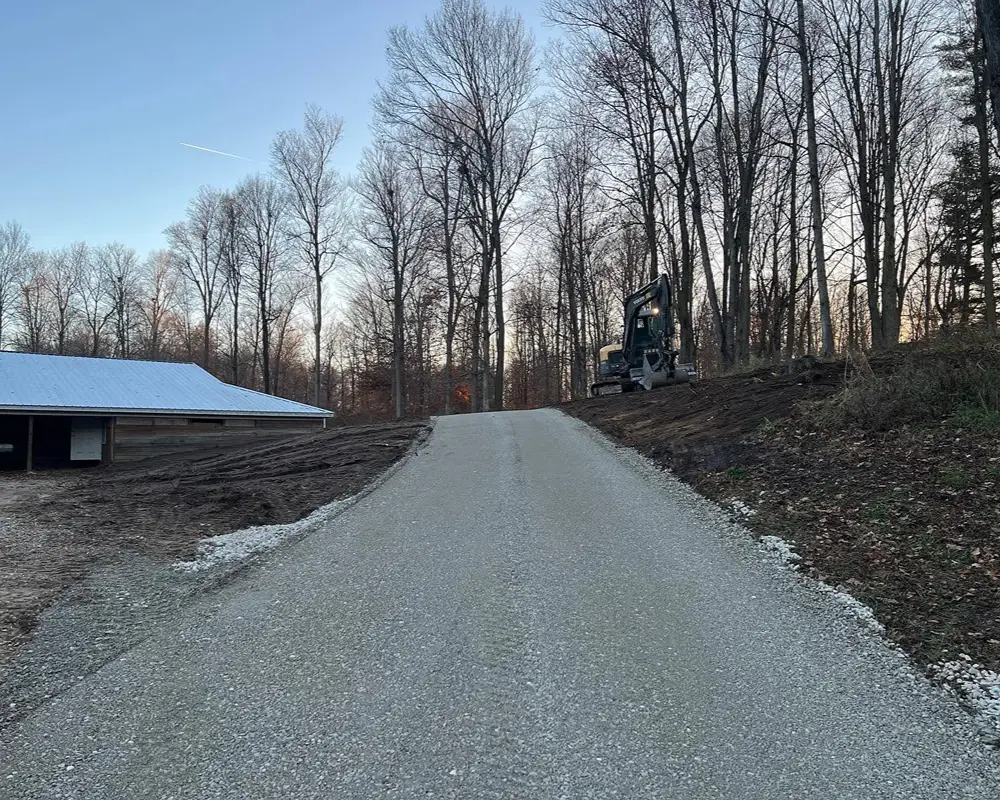
The Right Driveway Isn't Always the Cheapest Load of Gravel.
Two driveways of the same length can require very different amounts of work. One might have firm, well-drained ground. Another might cross soft soil, need significant grading or require a culvert to maintain drainage.
Our goal is to help you build the driveway the site actually needs, rather than cover up problems that will return after the next heavy rain.
Discuss Your DrivewaySee How We Build New Driveways in West Michigan.
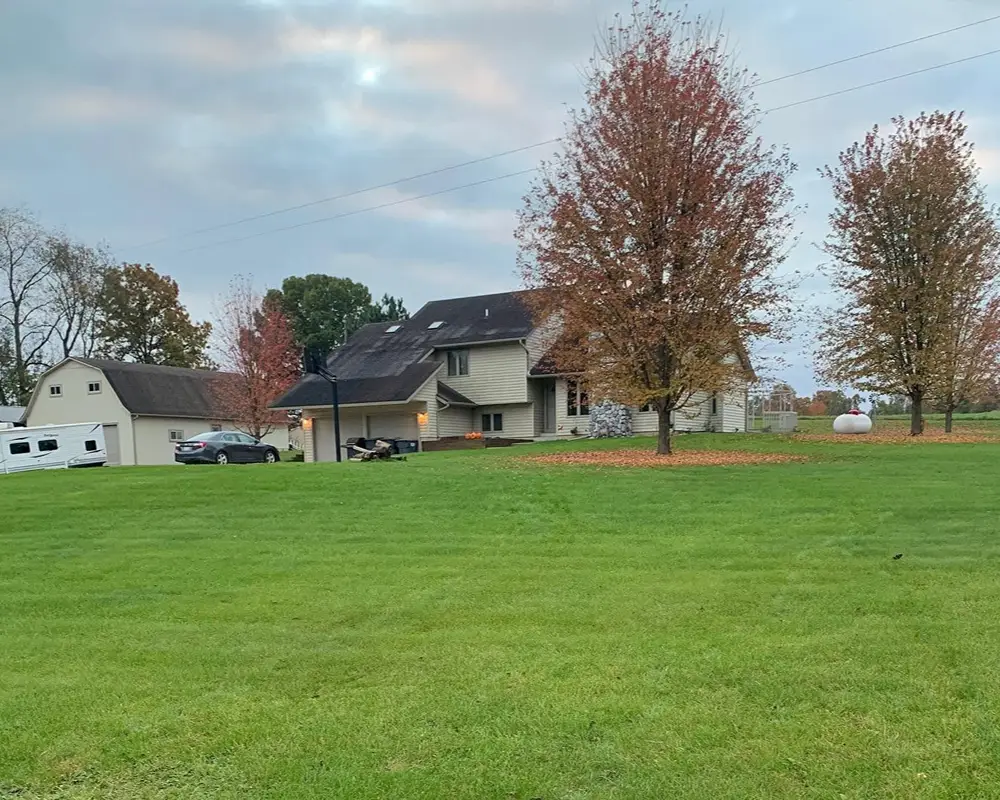
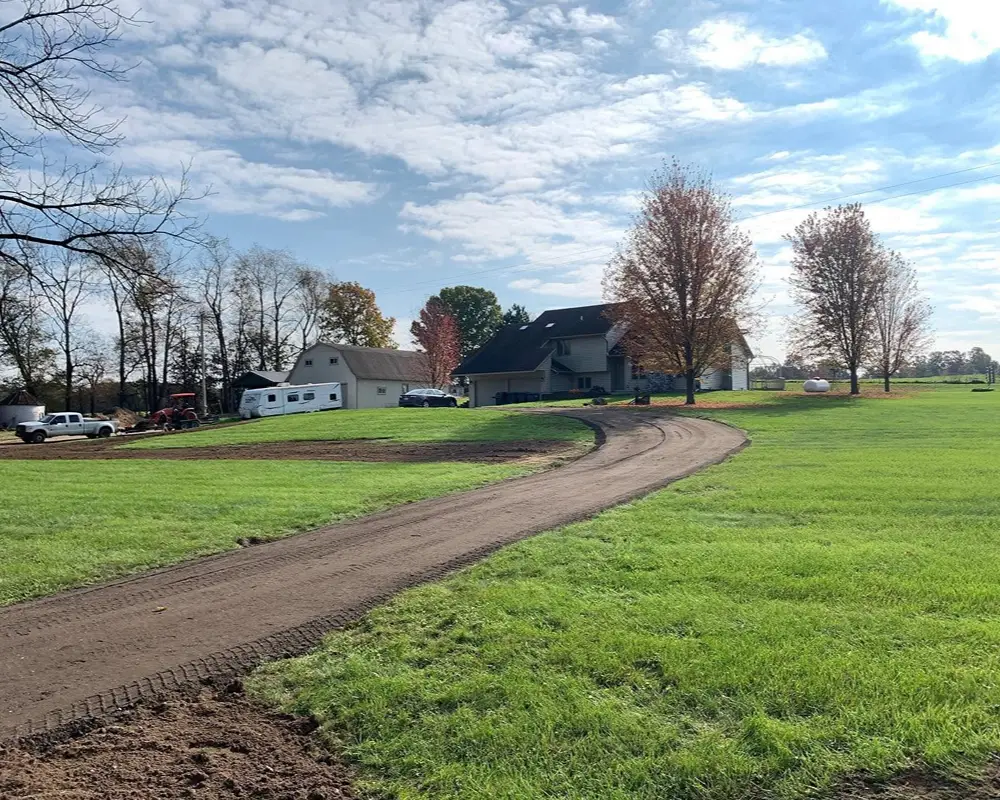
These projects show the transformation from existing ground to a finished driveway, including site preparation, material placement and grading.
Cutting in a New 400-Foot Driveway.
R&H cut in this approximately 400-foot driveway in Kalamazoo, creating a new access route across the property.
The photo sequence documents the project from the original ground through excavation and preparation, followed by the driveway ready for aggregate and the completed surface.
Longer driveways make thoughtful layout, grade changes, water management and material planning especially important.
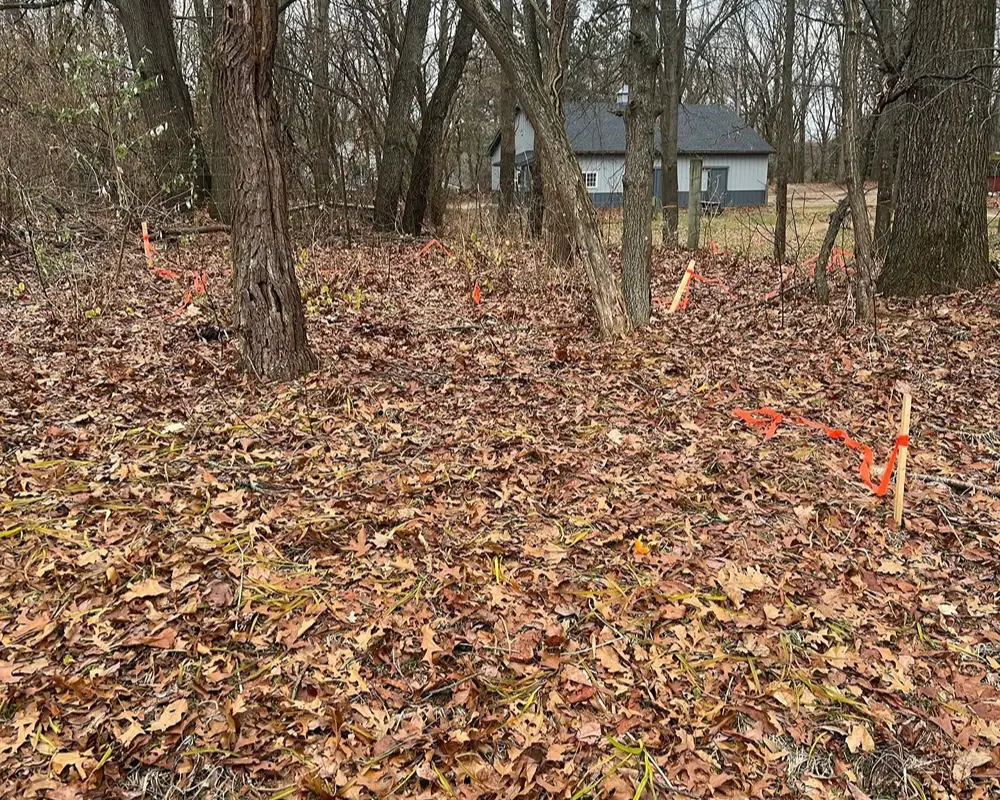
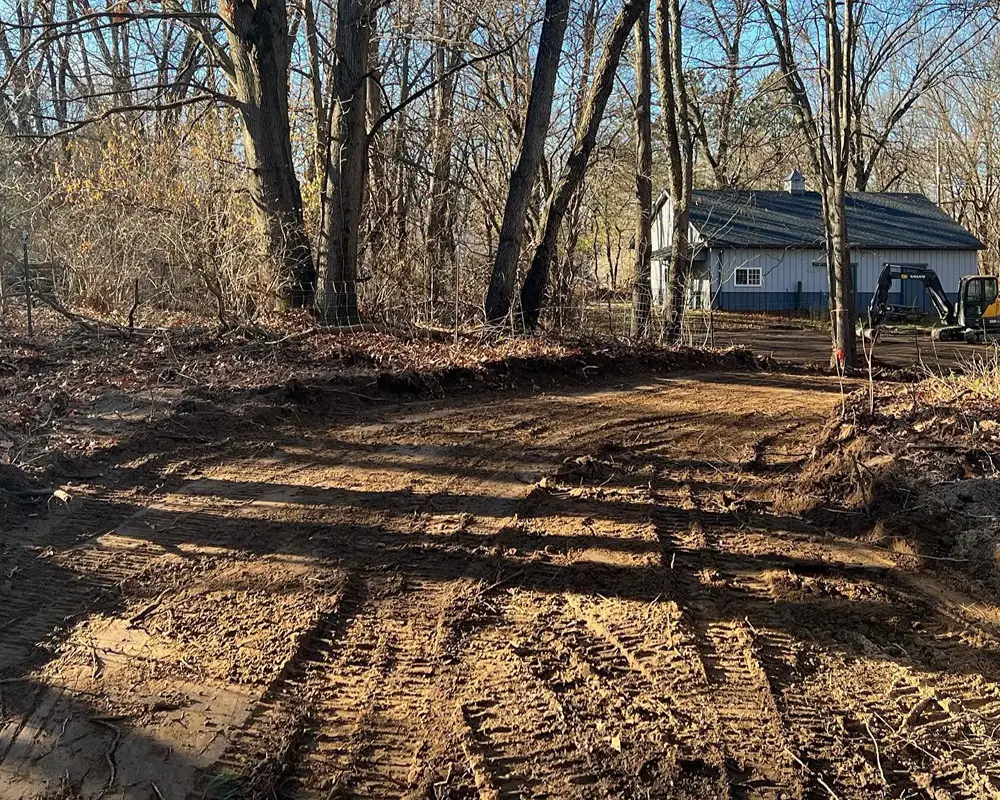
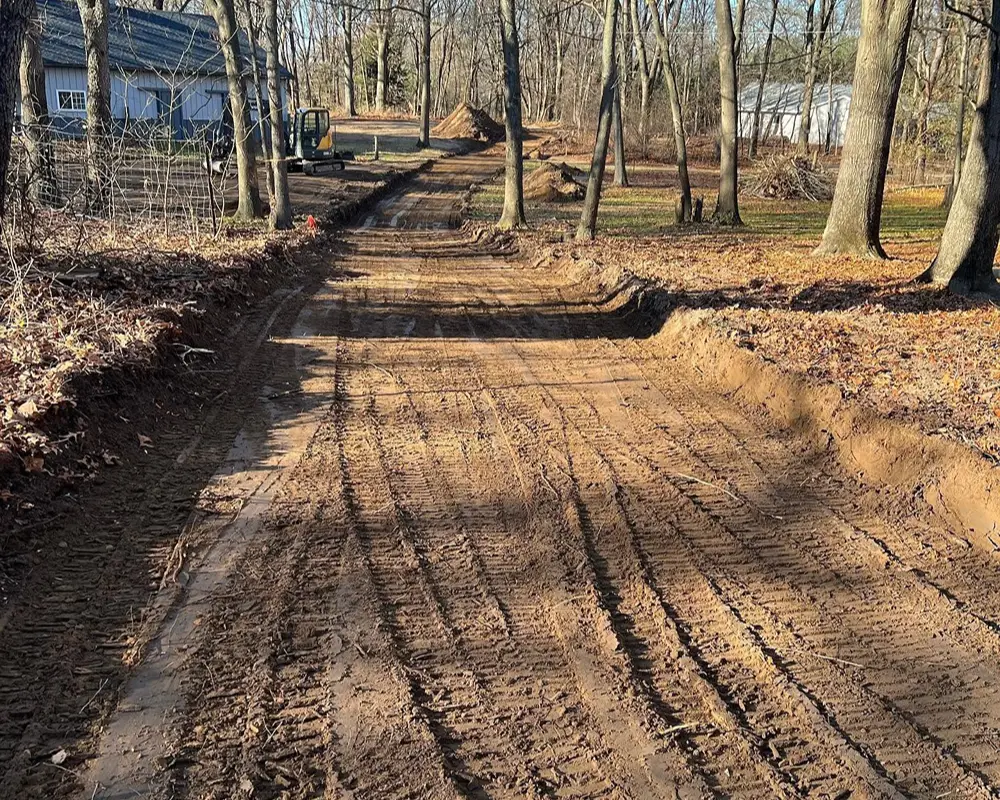
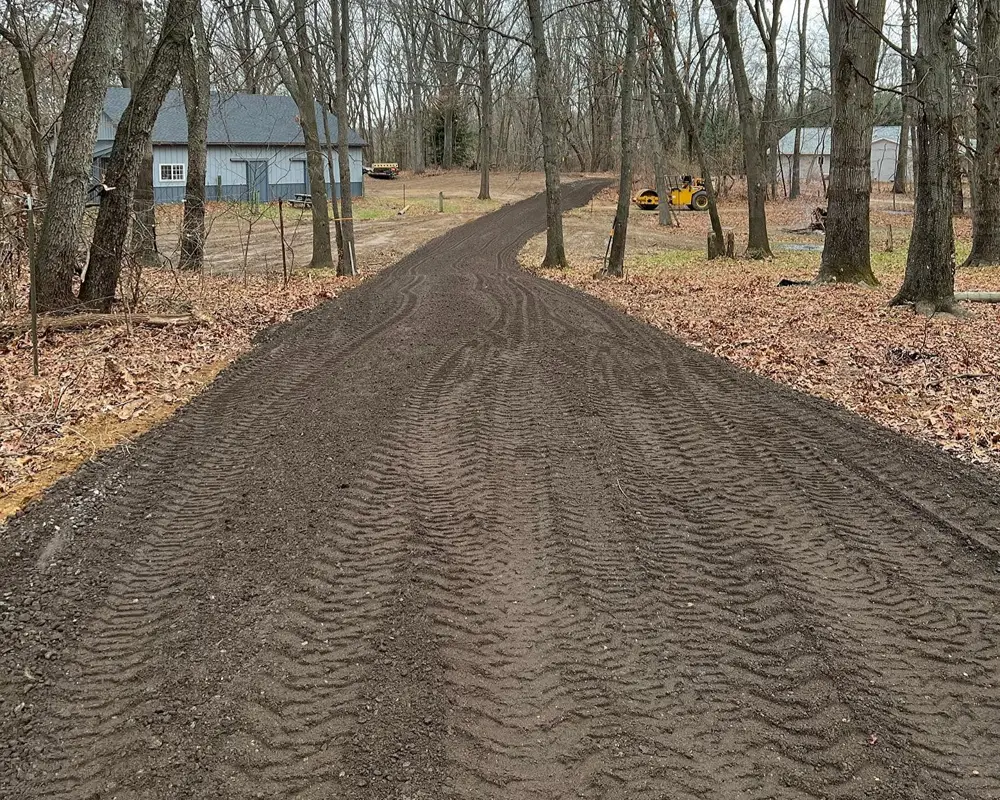
New Gravel Driveway Installation in Hastings.
This local Hastings project shows a new gravel driveway taking shape, from the initial site conditions through construction and the completed driving surface.
Building a new driveway requires more than the final layer of gravel. The preparation and grading beneath that finished surface help determine how well it performs under traffic and changing weather.
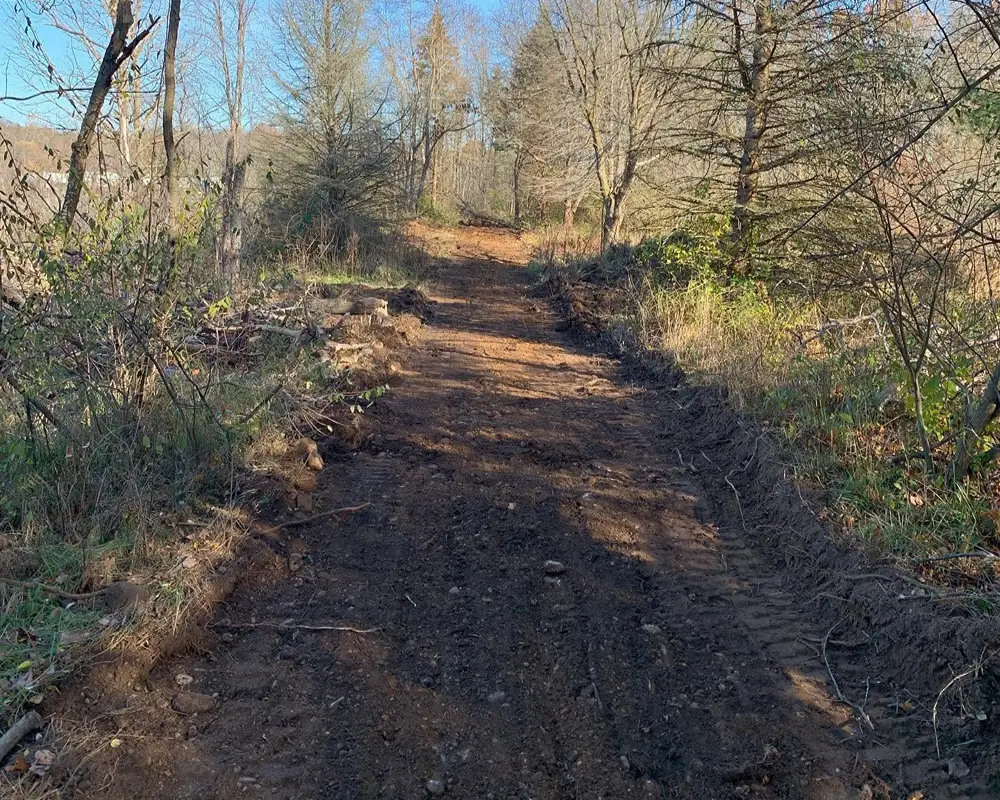
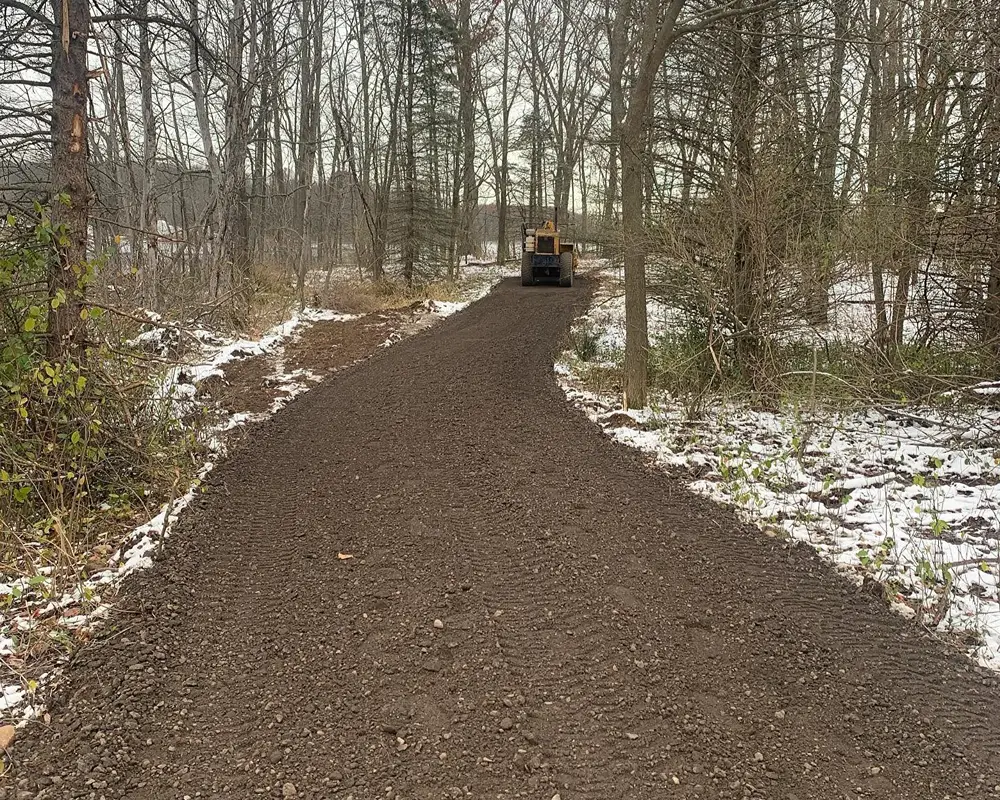
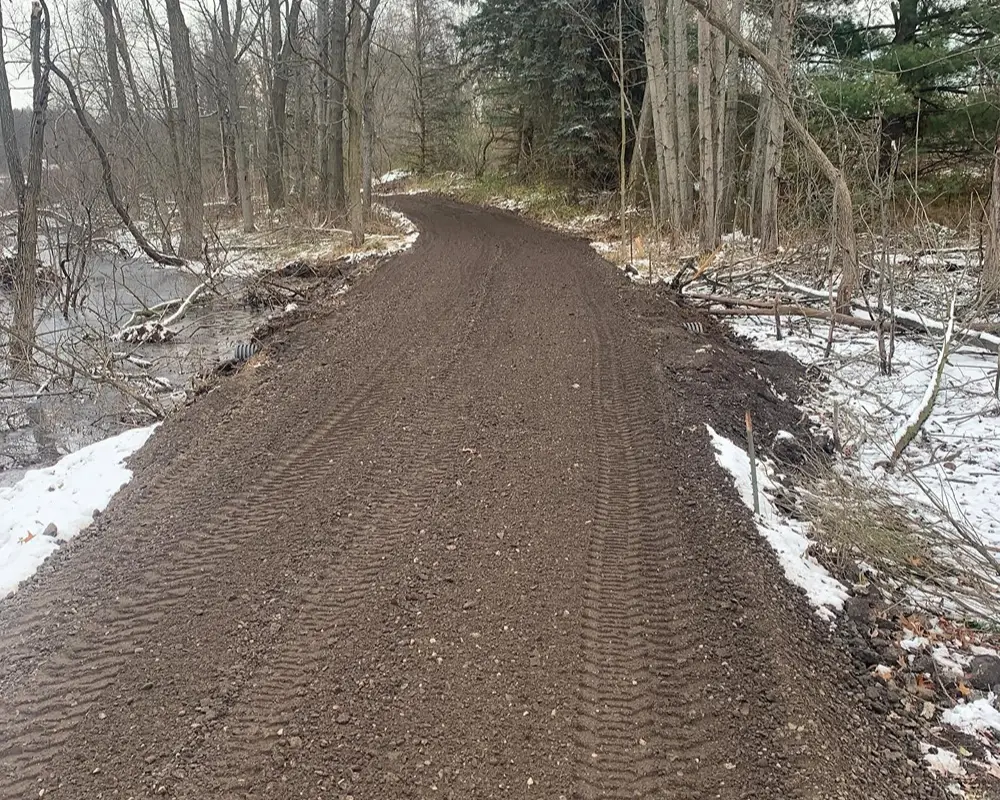
New 200-Foot Crushed Asphalt Driveway.
Not every aggregate driveway uses traditional gravel. For this Kalamazoo project, R&H installed a new approximately 200-foot driveway using crushed asphalt.
Recycled asphalt millings can be an option for certain driveway projects, depending on material availability, site conditions and the desired finished surface.
These before-and-after photographs show the difference a properly constructed aggregate driving surface can make to property access and appearance.
Gravel, Crushed Stone or Recycled Asphalt?
Material selection affects appearance, drainage, maintenance and cost. The appropriate base and surface combination depends on the underlying ground and how the driveway will be used.
R&H has experience with aggregate driveways, including gravel, crushed concrete and crushed asphalt applications. Material availability and suitability vary by project.
Crushed Stone & Gravel
A common choice for residential and rural driveways. Angular, well-graded aggregate can provide a stable driving surface when properly placed over a suitable base.
Crushed Concrete
Recycled crushed concrete may be suitable for certain base and surface applications, depending on gradation, quality and project requirements.
Recycled Asphalt Millings
A recycled aggregate option used on some R&H driveway projects. Performance depends on the material, preparation, compaction and site conditions; it should not be confused with a new hot-mix asphalt driveway.
Build the Drainage Into the Driveway — Not as an Afterthought.
One of the most common reasons gravel driveways deteriorate is uncontrolled water. When rainwater travels down the wheel tracks, pools on the surface or saturates the base, ruts and washouts become much more likely.
A good driveway design considers where water arrives, how it moves across the surface and where it can safely leave the property.
- Appropriate crown or cross-slope to shed rainfall
- Driveway grades that avoid unnecessary water concentration
- Roadside ditches or drainage swales where appropriate
- Culverts where a driveway crosses an existing drainage route
- Suitable outlets that do not simply move the problem elsewhere
A Crown Helps Water Leave the Surface.
The center of a crowned driveway sits slightly higher than the edges, encouraging water to move off the driving surface. The exact slope must suit the site and still provide safe, comfortable vehicle access.
A crown alone won't solve every drainage issue. The surrounding terrain must also provide somewhere appropriate for runoff to go.
See What Customers Say About R&H Tractor Services.
Read customer feedback about our excavation, driveway and property improvement work across West Michigan.
From Bare Ground to a Finished Gravel Driveway.
Plan the Route
Review driveway location, length, width, slope, vehicle access and drainage considerations.
Prepare the Ground
Complete the required clearing, excavation, grading and subgrade preparation.
Build the Base
Place and shape suitable aggregate base material according to the site's conditions and planned use.
Finish & Grade
Install the agreed surface material, establish proper drainage slopes and complete the final grading.
How Much Does a New Gravel Driveway Cost?
There isn't a meaningful one-size-fits-all price for driveway construction. Length and width matter, but the condition of the ground beneath the driveway can have just as much impact on the work required.
A short driveway on firm, accessible ground is a different project than a 400-foot rural driveway requiring excavation, significant base material, drainage work and trucking.
We recommend comparing estimates based on the actual scope of preparation, aggregate depth, material type, drainage and finishing work — not just the cost per load of gravel.
Get a Project-Specific Estimate Gravel Driveway Cost GuideNot Every Gravel Driveway Needs to Be Rebuilt.
If your existing driveway has a usable base but suffers from potholes, washboarding, ruts or worn-out surface material, grading and resurfacing may be a more appropriate solution than complete reconstruction.
R&H also provides driveway regrading, gravel replenishment and crushed asphalt resurfacing. We can help distinguish between a driveway that needs maintenance and one with deeper structural or drainage problems.
Explore Driveway Grading & ResurfacingExcavation Experience Behind Every Driveway.
R&H Tractor Services is a family-run contractor based in Hastings, Michigan. Owned by Ryan and Holly Groat, the business provides excavation, grading, material hauling and related property improvement services throughout the region.
Our documented driveway projects include a new 400-foot access route in Kalamazoo, a gravel driveway installation in Hastings and a 200-foot crushed asphalt driveway in Kalamazoo.
Because driveway construction overlaps with excavation, drainage and site grading, we can consider the entire project rather than treating gravel placement as an isolated task.
Site Preparation
Groundwork, excavation and grading before aggregate placement.
Drainage Awareness
Attention to crowns, slopes, runoff and related drainage work.
Material Hauling
Aggregate delivery and placement as part of the driveway project.
Local Project Experience
Real completed driveway projects in Hastings and Kalamazoo.
Gravel Driveway Installation in Hastings & West Michigan.
Based in Hastings, R&H Tractor Services works throughout Barry County and surrounding communities, including the Grand Rapids, Kalamazoo and Battle Creek areas.
Planning a driveway on a rural parcel, a new homesite or property outside the city? Contact us with the location and approximate project size to discuss availability.
View Our Service AreaQuestions About New Gravel Driveway Installation.
How much does it cost to install a gravel driveway?
Pricing depends on the driveway's dimensions, excavation needs, existing soil, aggregate type, base thickness, trucking and drainage requirements. A site-specific estimate is more useful than a generic price per foot.
How wide should a gravel driveway be?
A typical single-lane residential driveway may be around 10–12 feet wide, but the appropriate width depends on vehicles, turning areas, emergency access, local requirements and site constraints. Longer drives may benefit from wider sections or passing areas.
How deep should the gravel be?
There is no universal gravel depth suitable for every site. The required base and surface thickness depend on soil strength, drainage, traffic and material selection. Soft ground or heavy vehicle traffic may require additional preparation and aggregate.
Should a gravel driveway be crowned?
Often, yes. A gentle crown can help move rainwater from the center toward the edges. On some sites, a one-way cross-slope is preferable. The important goal is to shed water safely without creating uncomfortable or unsafe driving conditions.
How do you keep a gravel driveway from washing out?
Proper surface grading, drainage outlets, suitable aggregate and controlling runoff from uphill areas all help. Steep grades or concentrated flows may require additional drainage or erosion-control measures.
Can you build a driveway over grass or topsoil?
Simply placing gravel over vegetation or unsuitable topsoil is generally not a reliable construction method. Proper preparation may involve removing organic material, grading the subgrade and building a suitable aggregate base.
Do you install long rural gravel driveways?
Yes. R&H has documented a new approximately 400-foot driveway project in Kalamazoo. Longer projects require attention to access, grades, drainage and material quantities.
Do you install crushed asphalt driveways?
Yes. One documented R&H project is a new approximately 200-foot crushed asphalt driveway in Kalamazoo. Availability and suitability of recycled asphalt millings depend on the project.
Can you install a culvert as part of a driveway project?
R&H also offers culvert installation services. Where a driveway crosses a ditch or drainage route, a properly selected and approved culvert may be needed to maintain water flow. Requirements depend on the location and relevant road or drainage authority.
Do I need a permit for a new driveway?
Requirements depend on the road authority and municipality. A new driveway entrance or work within a public road right-of-way may require an access permit, culvert approval or other authorization. Confirm applicable requirements before construction.
How long does a gravel driveway last?
Longevity depends on the base, drainage, traffic, soil and maintenance. A well-constructed driveway can remain serviceable for many years, although periodic grading or fresh surface material may be necessary.
Can you extend or widen my existing driveway?
Driveway extensions and widened approaches are among the driveway-related services R&H can discuss. The new section needs an appropriate base, drainage and transition to the existing surface.
What if my existing gravel driveway has potholes and ruts?
It may need grading and resurfacing rather than a completely new installation. Visit our gravel driveway grading and resurfacing page to learn about repairing existing driveways.
Where do you install gravel driveways?
R&H is based in Hastings, Michigan, and serves Barry County and surrounding West Michigan communities, including areas around Kalamazoo, Grand Rapids and Battle Creek. Contact us to confirm availability for your location.
Let's Get Your New Driveway Started.
Whether you're planning a short driveway for a new home or hundreds of feet of rural access, tell us what you have in mind. We'll help you take the next step toward a practical driveway installation.