Gravel Parking Pad & Parking Area Installation
Need more room for vehicles, an RV, a trailer or equipment? R&H Tractor Services builds gravel parking pads and parking areas with proper site preparation, grading, aggregate placement and drainage.
Request a Free Estimate
Tell us what you're planning to park, the approximate dimensions and where the pad will be installed.
Turn Unused Ground into Practical Parking Space.
Not every property has enough room to park everything. Maybe you've added another vehicle, purchased a camper, need space for a boat trailer or want to keep equipment off the lawn.
A properly constructed gravel parking area can create useful parking without the expense or appearance of a large paved surface.
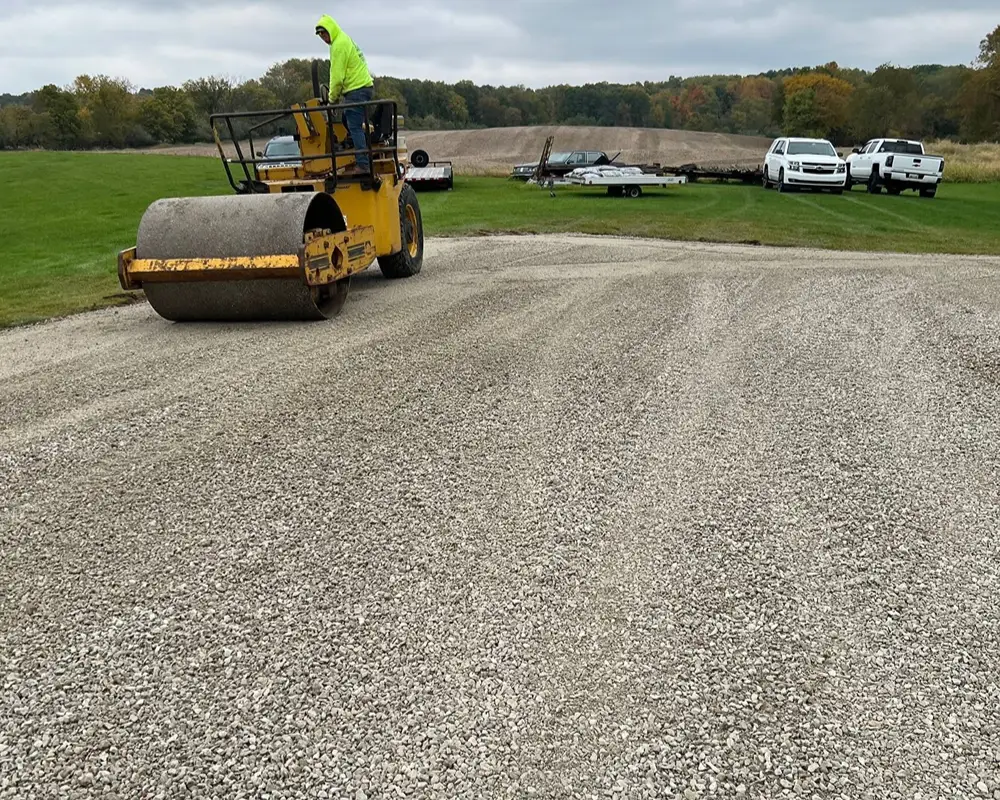
R&H Tractor Services handles the earthwork involved: clearing and preparing the site, establishing the proper grade, placing suitable aggregate and compacting the surface where appropriate.
From a small pad beside an existing driveway to a larger parking area outside a shop or business, the goal is the same: a stable, usable surface designed for the intended vehicles and site conditions.
More Room for the Things You Need to Park.
Our customers ask for everything from a single additional parking space to larger gravel areas for trailers, equipment and commercial use.
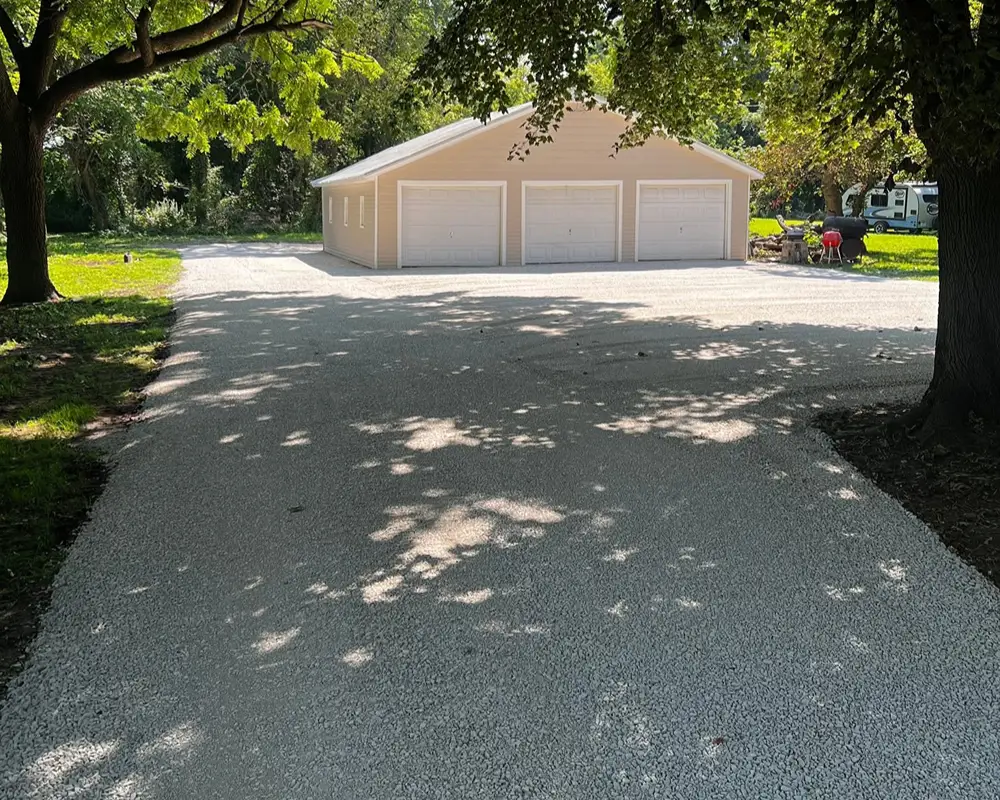
Extra Vehicle Parking
Add parking beside the driveway, in front of a garage or elsewhere on the property for additional household vehicles and guests.
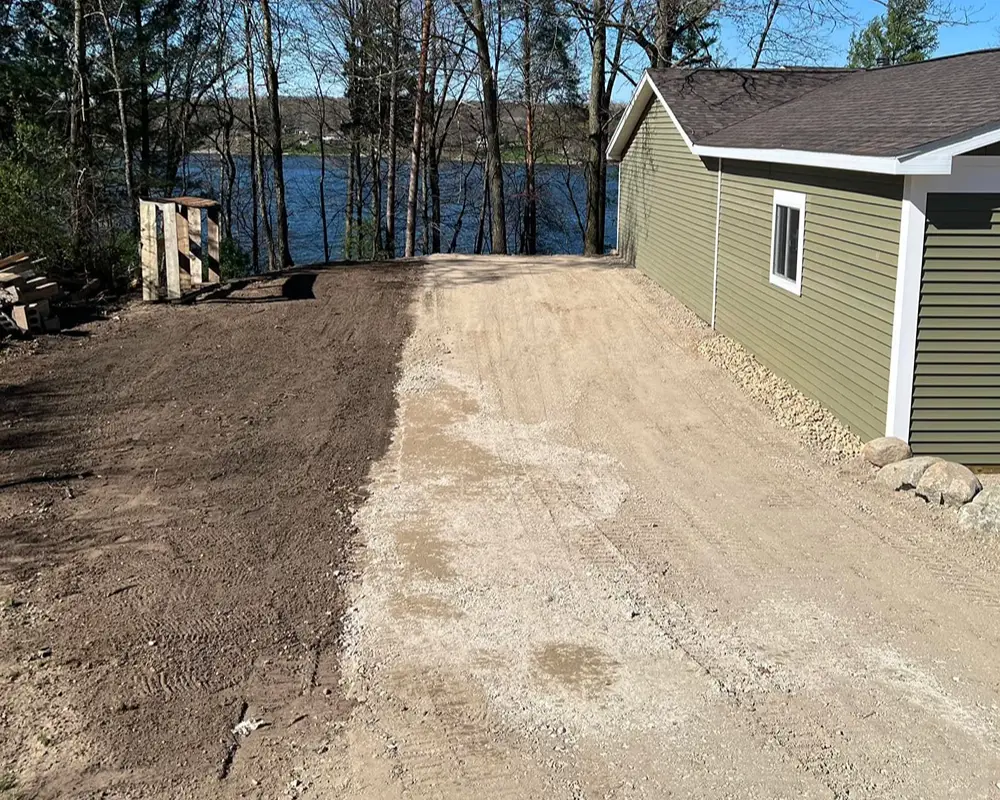
RV, Camper & Trailer Pads
Create dedicated parking for a camper, motorhome, boat or utility trailer, with dimensions and surface preparation suited to the intended use.
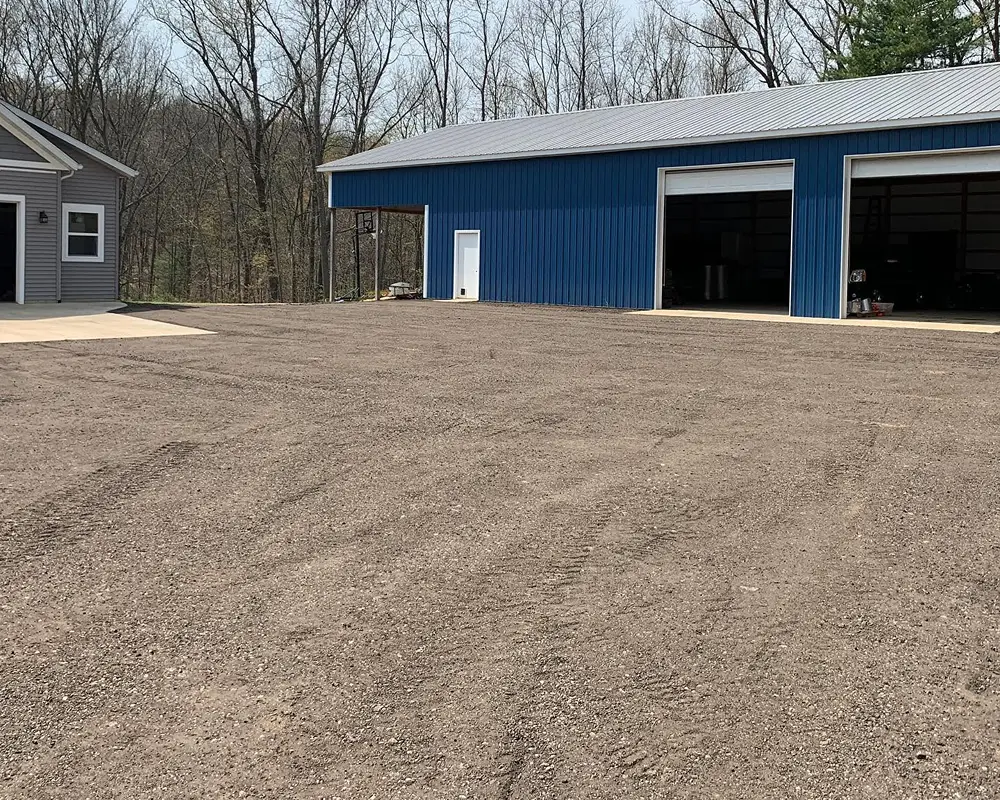
Shop & Equipment Parking
Build practical parking and staging areas near pole barns, workshops, outbuildings and equipment storage buildings.
Business & Employee Parking Areas
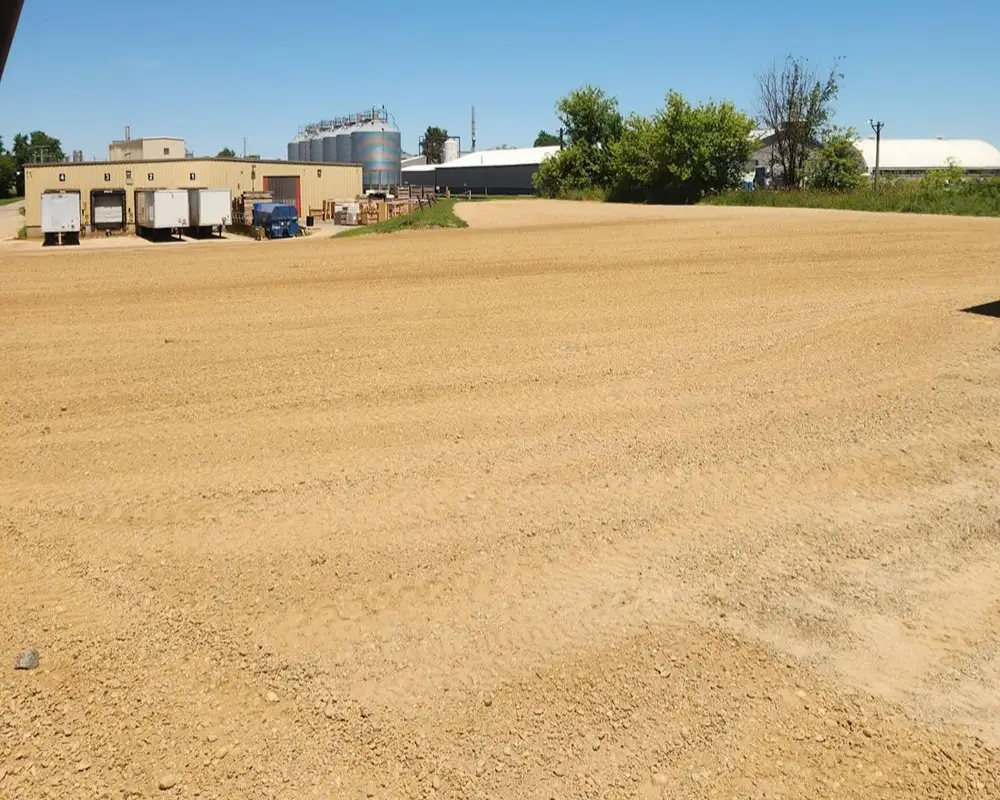
Gravel parking areas for shops, offices, industrial properties and businesses needing additional vehicle parking or usable yard space.
A Good Parking Pad Starts Below the Surface.
Spreading gravel over grass or soft topsoil might look like a quick solution, but it can lead to settling, ruts, mud and uneven parking.
The amount of excavation and base preparation depends on the existing ground, drainage and vehicles using the pad.
Grass, organic soil and unstable material may need to be removed before construction.
Proper grading helps prevent the parking area from becoming a low spot that collects runoff.
Material selection and depth depend on the subgrade and expected vehicle loads.
Shaping and compaction help create a more stable surface for regular use.
How Big Should Your Gravel Parking Pad Be?
Parking pads should be sized around the vehicles, not just the space they occupy when parked. Consider door clearance, turning room, access from the driveway and room to maneuver trailers.
R&H receives inquiries for compact parking extensions, RV pads, long trailer parking spaces and larger equipment parking areas.
If you aren't sure how much space you need, start with the vehicle dimensions and the available area on your property.
Discuss Your Parking PadCommon Project Scenarios
Additional space beside a driveway or garage.
Longer pads with suitable access and support for parked vehicles.
Wider access, turning space and base preparation for the intended load.
Multiple spaces and traffic circulation for business properties.
Exact dimensions and base requirements are determined by the property, intended use and applicable local rules.
Choosing the Right Material for Your Parking Area.
Crushed asphalt, crushed concrete and limestone can all be suitable for certain parking applications. The best choice depends on site conditions, intended use and desired finish.
Crushed Asphalt
Recycled asphalt millings can provide a firm, relatively low-dust parking surface when properly placed and compacted.
POPULAR FOR SHOPS & PARKING AREASCrushed Concrete
A recycled aggregate option that can work well for certain parking areas and heavy-duty base applications.
RECYCLED AGGREGATE OPTIONLimestone & Gravel
Traditional crushed aggregate options for residential parking pads, driveways and rural property improvements.
VERSATILE FINISHED SURFACESGravel Parking Areas Built for Real Properties.
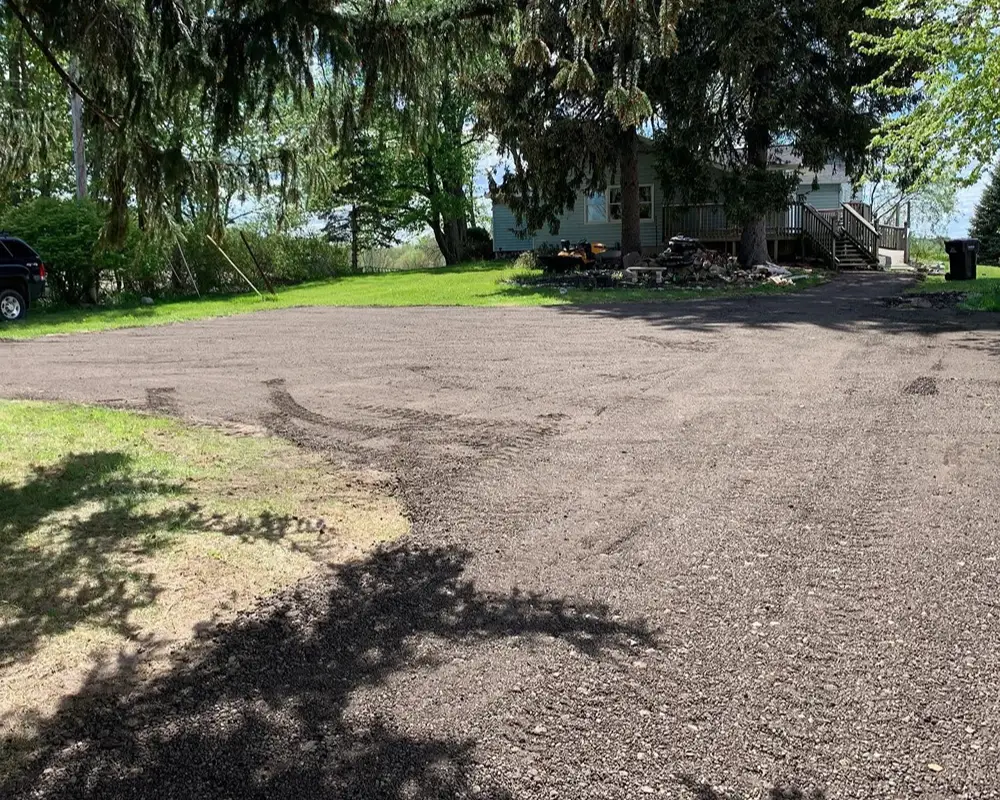
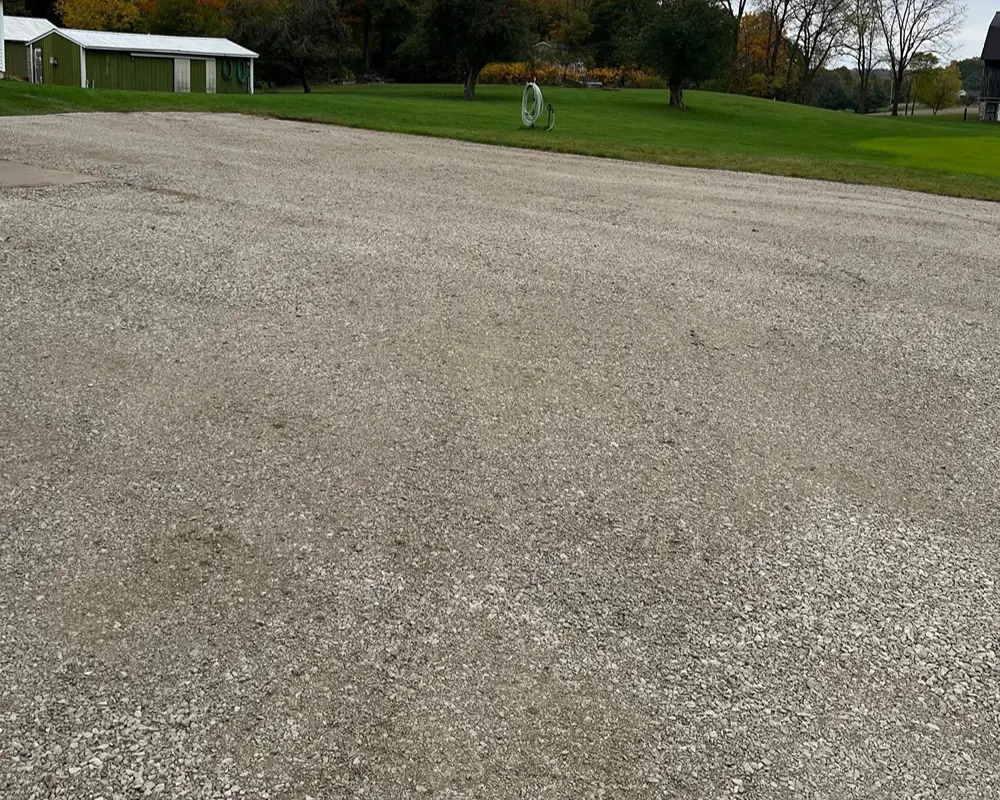
From crushed asphalt outside a shop to larger parking areas for commercial and rural properties, these photographs show examples of R&H's work.
Keep Water Moving Off Your Parking Area.
Poor drainage is one of the biggest reasons gravel surfaces become muddy, rutted and difficult to use.
A parking pad built lower than the surrounding yard can collect runoff. Without an appropriate slope or drainage route, water can saturate the surface and underlying soil.
R&H considers existing grades, surface runoff and the surrounding terrain when planning parking area construction.
- Appropriate surface slope for drainage
- Elevation relative to surrounding ground
- Stable aggregate base where required
- Runoff routes that avoid creating new problems
- Drainage improvements when site conditions demand them
From Grass or Bare Ground to Usable Parking.
Every property is different, but these are the typical stages of a gravel parking pad installation.
Evaluate the Site
Review the parking needs, dimensions, access, ground conditions and drainage.
Prepare & Excavate
Remove vegetation or unsuitable material and establish the required elevations.
Install Aggregate
Place the appropriate base and surfacing material for the intended application.
Grade & Compact
Shape the finished surface for usability and drainage, then compact as appropriate.
How Much Does a Gravel Parking Pad Cost?
A small parking extension beside an existing driveway is very different from a larger RV pad or commercial parking area.
Cost depends on the size of the pad, amount of excavation, existing soil conditions, aggregate type and depth, trucking, drainage and compaction requirements.
If you have approximate dimensions and know what vehicles you'll park there, that's a great starting point for an estimate.
Request a Parking Pad EstimateDriveways, Grading & Drainage Work.
Parking area projects often connect with existing driveways, property grading and drainage. Explore related R&H services.
Gravel Parking Area Installation Near Hastings, MI.
R&H Tractor Services is based in Hastings and works throughout Barry County and surrounding West Michigan communities.
Whether you're adding RV parking at home or creating more space for a business, contact us with your location and project details.
Explore Our Service AreaGravel Parking Pad Installation FAQs.
Can you install a gravel parking pad beside my driveway?
Yes. A gravel parking extension can provide additional space for vehicles, guests or trailers. The layout, grading and aggregate depth depend on the existing ground and intended use.
Can you turn part of my lawn into a gravel parking area?
Yes. Depending on site conditions, this typically involves removing vegetation and unsuitable topsoil, preparing the subgrade and installing suitable aggregate. Simply placing gravel over grass is generally not a durable solution.
Can you build a gravel parking pad for an RV or camper?
Yes. RV and camper pads should account for vehicle dimensions, weight, access, turning room, drainage and underlying ground conditions.
How thick should the gravel be for a parking pad?
There is no single depth that suits every project. Aggregate thickness depends on the soil, drainage, intended vehicle loads and whether a suitable existing base is present. Soft soils and heavier vehicles may require more extensive preparation.
Is crushed asphalt suitable for a parking area?
Crushed asphalt can be a practical option for certain parking areas and may provide a firm, relatively low-dust surface. Performance depends on the quality of the material, site preparation and compaction.
Is crushed concrete good for an RV parking pad?
Crushed concrete can be used in certain parking pad and base applications. Suitability depends on material quality, aggregate size, subgrade conditions and vehicle loads.
Do gravel parking areas need drainage?
Yes. Surface grading should direct runoff toward a suitable drainage route rather than allow water to collect on the parking pad. Some properties also require additional drainage improvements.
Can you level a sloped area for parking?
Often, yes. The feasibility depends on the slope, soil, required excavation or fill, drainage and whether retaining structures or other improvements are necessary.
Can you install gravel parking for a pole barn or shop?
Yes. R&H works on gravel and crushed asphalt parking areas for shops, rural properties and commercial uses. The surface should be planned around vehicle traffic and intended loads.
How much does a gravel parking area cost?
Pricing depends on the area size, excavation, aggregate material and depth, access, trucking, grading and drainage. Contact R&H with your dimensions and intended use for an estimate.
Do I need a permit for a gravel parking pad?
Permit, zoning, driveway access and stormwater requirements vary by municipality and property. Check applicable local requirements before construction, especially for commercial parking areas or projects near property boundaries.
Do you install gravel parking areas throughout West Michigan?
R&H is based in Hastings and serves surrounding West Michigan communities. Contact us with your location to confirm project availability.
Let's Make Room for It.
From a small gravel parking pad to a larger crushed asphalt parking area, R&H Tractor Services can help you plan and build a practical surface for your property.